The Evolution of Shipping Damage Indicators: From Basic Tools to Smart Technology
In today’s global supply chains, where goods often travel thousands of kilometres and change hands multiple times, ensuring cargo arrives in perfect condition is more critical than ever. One of the key tools in this mission has been the shipping damage indicator — and over the years, these devices have undergone a dramatic transformation.
What began as simple, mechanical indicators has evolved into high-tech, data-driven sensors that offer real-time visibility into the conditions your cargo faces along its journey. Let’s take a look at how far these devices have come and the role they now play in modern logistics.
Simple But Effective
The first shipping damage indicators were basic mechanical tools — clever, but limited. They provided a visual alert when goods had been mishandled, helping shippers and receivers identify when something had gone wrong. These are still in wide use for less sensitive goods.
Two common types include:
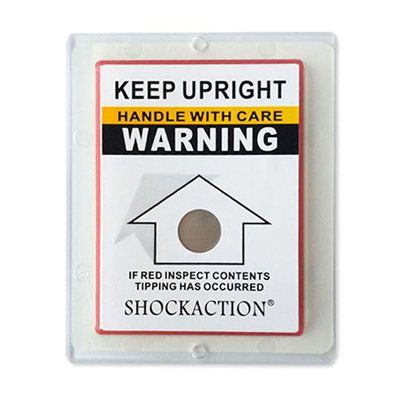
- Tilt Indicators: These gravity-based devices display a warning — often by changing colour — if a package is tilted beyond a specific angle. A simple and cost-effective way to flag possible mishandling.
- Impact Labels: These stickers contain fragile components (like a small glass tube filled with coloured liquid) that will break when subjected to excessive force. If the vial is ruptured, it serves as an immediate, irreversible sign that the package has been dropped or jolted.
While helpful, these early indicators couldn’t capture detailed data. They told you that something happened — but not how hard, when, or how often.
The Digital Shift: Smarter, More Insightful Devices
As technology advanced, so did the capabilities of shipping damage indicators. Electronics brought a new level of precision and opened the door to deep insights into how cargo is handled.
Key innovations include:
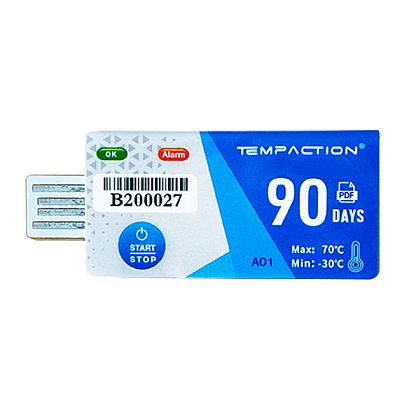
- Electronic Shock & Vibration Recorders: These compact devices monitor and log impact and vibration data throughout a shipment. Once the cargo arrives, the stored data can be downloaded for analysis — helping companies understand exactly when and where damage occurred, how severe it was, and what conditions led to it.
- Wireless Impact Sensors: These next-gen tools go a step further. Using Bluetooth or cellular connectivity, they transmit real-time data — including impacts, temperature changes, humidity, and more — to a central system. That means logistics teams can receive instant alerts about rough handling or unsafe conditions and take action before damage worsens.
Why It Matters
The evolution of shipping damage indicators reflects the growing importance of accountability, transparency, and risk mitigation in logistics. Today’s businesses need more than just a visual warning — they need detailed, time-stamped data that drives decisions, supports insurance claims, and improves supply chain performance.
Whether you’re shipping high-value electronics, medical equipment, or fragile goods, these advanced tools offer peace of mind and measurable ROI.
At ShockAction, we believe in using the smartest tools to protect your most valuable assets in transit. Want to learn more about how shipping impact indicators and sensors can help safeguard your cargo? Get in touch with our team — we’re here to help.