When it comes to protecting temperature-sensitive goods — from pharmaceuticals and vaccines to fresh produce and frozen foods — the tools you use to monitor conditions matter. While traditional thermometers may still have a place in some settings, they’re quickly being outpaced by more advanced and reliable solutions: temperature data loggers.
In this post, we explore the key differences between thermometers and data loggers, and why switching to data loggers is a smart, strategic move for businesses managing cold chains, regulatory compliance, or sensitive storage environments.
The Shortcomings of Traditional Thermometers
Traditional thermometers are useful for taking a quick temperature reading. But that’s about where their utility ends. They provide a single-point snapshot — meaning they only tell you the temperature at the moment you’re looking. There’s no record of past conditions, no alerts for issues, and no way to verify compliance over time.
Relying on manual readings also leaves too much room for human error, inconsistencies, or missed checks — which can have serious consequences when you’re dealing with products that demand precise temperature control.
What Makes Temperature Data Loggers Different?
Temperature data loggers are compact devices that automatically record temperature data over time at predefined intervals. They store this information for later review or — in some cases — transmit it wirelessly in real time.
Here’s what makes them essential in modern cold chain management:
Continuous Monitoring
Instead of relying on someone to check temperatures manually, data loggers provide 24/7 monitoring — even in remote or hard-to-reach areas like refrigerated trucks or storage containers.
Accurate Record Keeping
They create a reliable, time-stamped record of every fluctuation. If there’s ever a temperature excursion or product issue, you’ll know exactly when and why it happened.
Enhanced Compliance
Temperature data loggers help meet strict regulations set by South African authorities (and other quality control standards). The recorded data can be used to prove compliance during audits or to back up insurance claims.
Types of Temperature Data Loggers and Their Benefits
Disposable Data Loggers
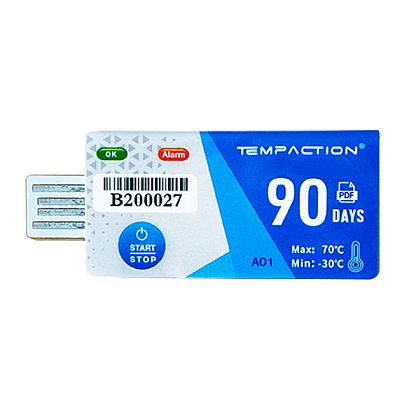
These single-use devices are ideal for one-way shipments or hygienic environments. They’re pre-configured, easy to use, and eliminate the hassle of retrieving, cleaning, or recalibrating the logger after use. Just deploy, ship, discard — and you’re done.
PDF Temperature Recorders
Want easy access to reports? These loggers generate downloadable PDF summaries automatically — no special software needed. It’s perfect for teams that need to share data quickly or submit compliance reports on the fly.
Shipping Temperature Data Loggers
Designed specifically for transportation, these rugged devices track temperature throughout the journey, even under challenging conditions like vibration, extreme heat, or cold. Some models offer real-time alerts, so you can act immediately if temperatures drift out of range.
The Bottom Line: Every Degree Counts
In an environment where temperature control is non-negotiable, upgrading from a basic thermometer to a temperature data logger is more than just a tech upgrade — it’s a smart business move.
You’ll gain:
- Real-time visibility
- Complete temperature histories
- Regulatory peace of mind
- Stronger protection for your products
- A streamlined path to audit-ready compliance
Ready to make the switch?
At ShockAction, we offer a range of reliable temperature monitoring solutions — including disposable and shipping data loggers — to help you protect your cargo and your brand.
Talk to us today about choosing the right temperature data logger for your operation.